
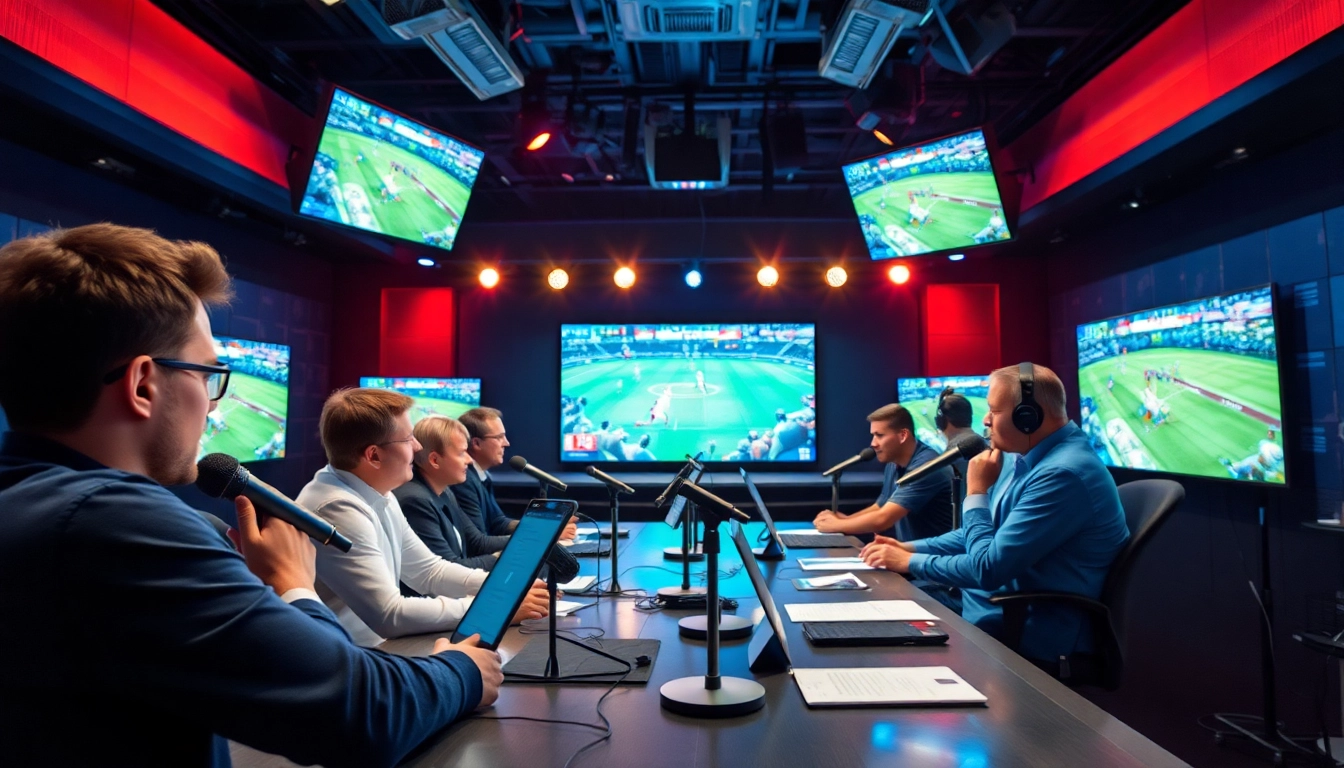
Introduction to Sports Broadcasting
What is Sports Broadcasting?
Sports Broadcasting refers to the distribution of sports events through television, radio, and digital platforms. This domain encompasses a variety of formats, including live game coverage, pre-game and post-game analysis, highlight reels, and sports journalism. With the Sports Broadcasting landscape continually evolving, it is crucial for broadcasters to keep pace with technological advancements and changing viewer preferences.
History and Evolution of Sports Broadcasting
The history of Sports Broadcasting dates back to the early 20th century, starting with radio broadcasts of baseball games. In the 1930s, televised sports gained popularity, particularly with the broadcasting of the first college football game. The introduction of color television in the 1960s and cable television in the 1980s revolutionized sports coverage, providing viewers with comprehensive access to events like never before.
Throughout the years, the digital era has transformed how audiences consume sports content. The rise of streaming platforms, social media, and mobile applications has made it possible for fans to access live events and on-demand content from anywhere. As technology continues to advance, Sports Broadcasting is at the forefront of innovation, integrating virtual reality and interactive features to enhance the viewer experience.
Importance of Sports Broadcasting Today
Sports Broadcasting holds immense importance in today's society, shaping how millions engage with sports. Broadcasters serve not only as the primary source of live sports access but also as cultural icons that drive viewer engagement. By providing commentary, analysis, and storytelling, they help to deepen emotional connections between fans and their favorite teams or athletes.
Moreover, Sports Broadcasting plays a significant role in the sports industry by driving revenue through advertising, sponsorships, and licensing deals. It serves as a vehicle for promoting smaller sports leagues and events, contributing to the growth and diversification of the sports market.
Key Elements of Sports Broadcasting
Technology and Equipment
Technology is fundamental to effective Sports Broadcasting. High-definition cameras, drones, and 360-degree video capabilities enable broadcasters to capture events from multiple angles and provide immersive experiences. Additional tools like computerized graphics and instant replay systems enhance the storytelling aspect of sports coverage.
Moreover, the integration of Artificial Intelligence (AI) in analytics assists broadcasters in creating personalized content tailored to viewer preferences. This technological backbone ensures that viewers receive rich, engaging experiences that keep them coming back for more.
Commentary Techniques
Effective commentary techniques are vital in Sports Broadcasting. Commentators must blend in-depth knowledge of the sport with exceptional communication skills. Utilizing storytelling, vocal inflection, and engaging language allows commentators to enhance viewer interest and keep the narrative flowing during live events.
Additionally, a balance between expert analysis and casual conversation helps to appeal to a broader audience. Engaging in meaningful discussions with co-commentators and incorporating interactive elements such as viewer questions and polls further fosters a sense of community among fans.
Audience Engagement Strategies
Engaging with the audience is crucial for maintaining viewer loyalty. Sports broadcasters can adopt various strategies, including social media interaction, creating forums for fan engagement, and utilizing apps that allow real-time feedback during broadcasts. These tactics enable broadcasters to create a two-way communication channel and foster a sense of belonging among fans.
Offering exclusive content such as behind-the-scenes videos, player interviews, and live Q&A sessions can further captivate audiences, allowing them to connect with the sport and its personalities on a deeper level.
Challenges in Sports Broadcasting
Common Technical Issues
Despite advances in technology, technical issues still pose significant challenges in Sports Broadcasting. Problems may arise from equipment failures, signal interruptions, or network outages, leading to frustrating experiences for viewers.
To mitigate these challenges, broadcasters must invest in robust infrastructure, conduct regular equipment maintenance checks, and develop contingency plans. Additionally, having technical support teams on standby during live events ensures that any issues can be resolved swiftly, minimizing viewer disruption.
Legal and Ethical Considerations
Legal and ethical considerations in Sports Broadcasting are paramount. Broadcasters must navigate a complex web of rights agreements, licensing, and regulations surrounding the use of copyrighted material. Failing to secure proper permissions can result in costly lawsuits or damaging reputation risks.
Furthermore, ethical considerations come into play when issues such as misinformation, biased reporting, or insensitive language arise. Broadcasters are responsible for maintaining integrity in their reporting and ensuring they uphold the standards of journalism.
Overcoming Audience Disconnect
Audience disconnect can occur when broadcasts fail to resonate with viewers. This disconnect can stem from poor production quality, lack of relevant commentary, or failure to reflect audience interests and preferences.
To overcome these challenges, incorporating real-time analytics can provide valuable insights into viewer engagement. Continuous feedback loops through surveys or social media can help broadcasters align their content with audience expectations and foster better connections.
Best Practices for Successful Sports Broadcasting
Content Planning and Scheduling
Successful Sports Broadcasting requires meticulous content planning and scheduling. Broadcasters need to create detailed content calendars that outline not only live events but also supplementary packages, interviews, and features that can build excitement around upcoming games.
Moreover, timing is critical. Broadcasting during prime time or aligning content with significant sports events ensures maximum audience reach. Consistency in scheduling helps to establish a loyal viewer base and keeps audiences engaged.
Delivery Styles and Formats
Different sports and audiences necessitate varied delivery styles and formats. Broadcasters should explore an array of options, including traditional commentary, roundtable discussions, and interactive team formats. Experimentation helps discover which styles resonate most effectively with target demographics.
In addition to styles, formats also need to evolve. Short-form content, podcasts, and live blogs cater to the preferences of modern audiences who seek quick access to information and interactions on-the-go.
Utilizing Analytics for Improvement
In the era of big data, leveraging analytics is crucial for Sports Broadcasting success. Broadcasters can utilize viewer behavior data to understand content preferences and viewing habits. This information can inform future programming decisions and help tailor offerings to meet audience demand.
Furthermore, tracking engagement metrics such as viewer retention rates and social media interactions can reveal which aspects of broadcasts captivate audiences and which may require enhancement.
The Future of Sports Broadcasting
Emerging Technologies Impacting Broadcasting
The future of Sports Broadcasting is undoubtedly tied to emerging technologies. Innovations such as augmented reality, 5G technology, and artificial intelligence are set to revolutionize how audiences experience sports.
Augmented reality can enhance broadcasts by overlaying digital information on live video feeds, enhancing viewer understanding of plays and statistics. Meanwhile, 5G technology promises faster streaming services and improved viewing experiences, allowing for higher-quality broadcasts with lower latency.
Interactive and Virtual Reality Experiences
Interactive and virtual reality experiences are changing the landscape of fan engagement. Technologies that enable immersive experiences allow fans to feel as if they are part of the action. For instance, virtual reality can enable fans to view games from various angles or simulate being on the field.
Interactive aspects such as live polls, Q&As with commentators, and gamification of broadcast experiences can further enhance engagement, creating a multi-faceted platform where fans are involved in real-time conversations about the events.
Trends Shaping the Industry
Several trends are shaping the future of Sports Broadcasting. The rise of eSports marks a significant shift, illustrating how digital platforms are redefining traditional sports consumption. Additionally, content personalization using AI and machine learning technologies allows for more tailored viewing experiences, catering to individual audience tastes.
Sustainability in broadcasting practices is another emerging trend, reflecting societal shifts towards environmentally friendly initiatives. Broadcasters are increasingly seeking ways to minimize their carbon footprint, adopting greener technologies and practices in their operations.
FAQs
What role does technology play in Sports Broadcasting?
Technology enables improved viewer experiences through high-definition visuals and interactive features. Innovations facilitate live coverage, analytics, and enhanced storytelling.
How can I engage with my audience during broadcasts?
Utilize social media platforms for real-time interaction and encourage viewer participation in discussions to foster a sense of community and engagement.
What are common challenges faced in Sports Broadcasting?
Technical failures, licensing issues, and maintaining viewer interest are key challenges in the industry that broadcasters must navigate effectively.
What skills are essential for sports broadcasters?
Strong communication skills, knowledge of sports, and the ability to think quickly under pressure are essential in delivering engaging broadcasts.
How is Sports Broadcasting evolving with digital media?
Digital media offers greater access to content, including streaming services and on-demand options, allowing viewers to enjoy sports when it best suits them.